Neurological Rehab vs. General Rehab: What’s the Difference?
When a loved one experiences a stroke, traumatic brain injury, or neurological condition like Parkinson’s disease, the path forward can feel overwhelming. You may hear terms like “neurological rehab” and “general rehab” and wonder which approach will best serve your family member’s unique needs. Understanding the difference between these specialized care models empowers you to make confident decisions during one of life’s most challenging seasons.
Neurological rehab focuses specifically on conditions affecting the brain, spinal cord, and nervous system, while general rehab addresses a broader range of injuries and post-surgical recovery needs. At Sante, our physician-led teams provide both specialized neurological skilled nursing and comprehensive rehabilitation services across our Phoenix, Surprise, Chandler, Mesa, and North Scottsdale locations—combining clinical excellence with the warmth and attentiveness you deserve.
What Is Neurological Rehab?
Neurological rehab is a specialized form of rehabilitation designed for guests recovering from conditions that impact the nervous system. These conditions include stroke, spinal cord injuries, traumatic brain injury, multiple sclerosis, Parkinson’s disease, and other neurological disorders that fundamentally change how the body and mind function.
This specialized approach addresses unique challenges such as:
- Cognitive impairments affecting memory, attention, and problem-solving
- Speech and language difficulties
- Balance and coordination problems
- Motor control issues and muscle weakness
- Sensory processing challenges
According to the Centers for Disease Control and Prevention, approximately 795,000 Americans experience a stroke each year, making specialized neurological care essential for countless families navigating recovery.
The Specialized Approach to Neurological Skilled Nursing
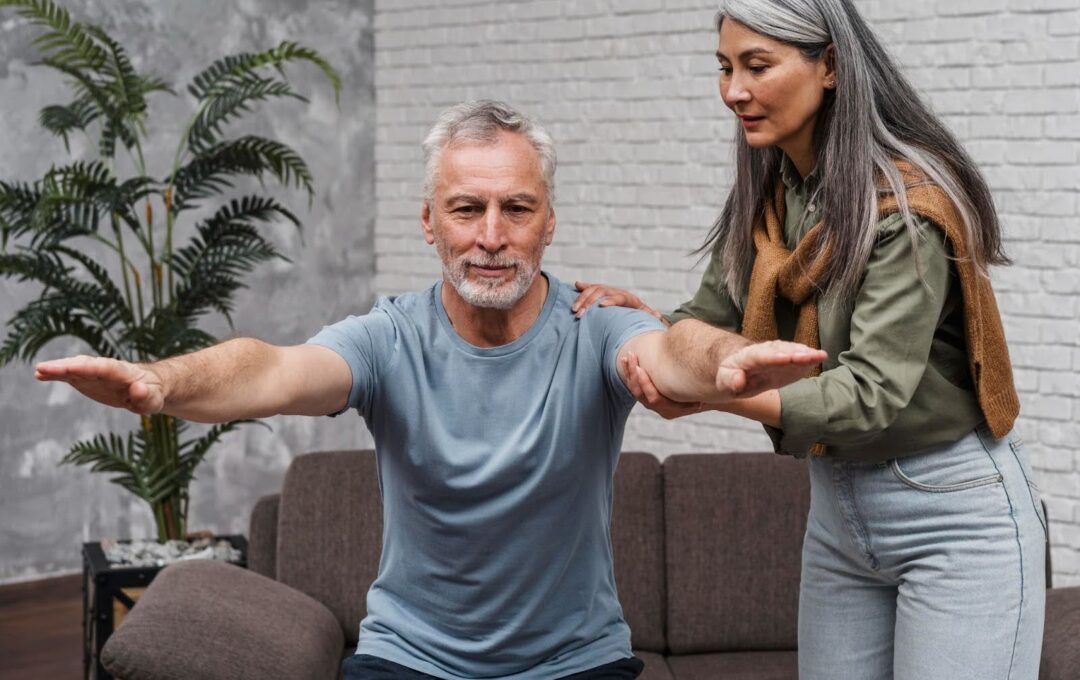
Neurological rehab requires therapists and clinicians with advanced training in nervous system function and recovery—professionals who understand the intricate connections between brain function and daily life. The brain’s remarkable ability to adapt—called neuroplasticity—forms the foundation of treatment strategies. Therapy focuses on retraining the brain and nervous system through repetitive, targeted exercises that help create new neural pathways, offering genuine hope for meaningful recovery.
Treatment often includes:
- Physical therapy to improve mobility, balance, and strength
- Occupational therapy for daily living skills and fine motor function
- Speech-language pathology for communication and swallowing difficulties
- Cognitive rehabilitation to address thinking and memory challenges
- Psychological support for emotional adjustment and resilience
Understanding General Rehab Services
General rehab addresses recovery from orthopedic surgeries, injuries, cardiac events, pulmonary conditions, and other medical situations not primarily involving neurological damage. This includes rehabilitation after knee replacement, hip replacement, and other post-surgical needs.
General rehabilitation focuses on:
- Restoring strength and mobility after surgery or injury
- Evidence-based pain management techniques
- Cardiovascular conditioning
- Preventing complications during recovery
- Building endurance for daily activities and independence
Key Differences in Treatment Approaches
Specialized Assessment Tools
Neurological rehab uses specific evaluation methods to measure cognitive function, sensory processing, and neurological responses. General rehab primarily assesses physical strength, range of motion, and functional mobility—both valuable, but addressing different recovery needs.
Treatment Duration and Intensity
Neurological recovery often requires longer, more intensive therapy sessions with frequent repetition to reinforce new neural pathways. The journey can be unpredictable, requiring patience and adaptive care plans. General rehab typically follows more predictable timelines based on tissue healing and surgical protocols.
Interdisciplinary Coordination
While both approaches benefit from team collaboration, neurological skilled nursing demands especially close coordination among multiple specialists addressing interconnected cognitive, physical, and emotional needs, because every aspect of recovery influences another.
Sante’s Physician-Led Approach to Neurological Rehab
At Sante, we understand that neurological conditions require exceptional clinical expertise combined with compassionate, personalized attention. Our physician-led model ensures that every guest receives evidence-based care tailored to their unique recovery journey—with the continuity and coordination that complex neurological conditions demand.
We challenge the status quo by delivering care in state-of-the-art, resort-style environments across the Phoenix metro area. You’ll find spaces designed for healing, not just treatment—where hospitality and clinical excellence work together seamlessly. We believe you deserve both comfort and the highest quality treatment when you need it most, because compassion and excellence aren’t separate values at Sante—they’re inseparable.
Your Partner in Recovery
Whether you need specialized neurological rehab or general post-acute rehabilitation, Sante provides the full spectrum of care with physician-led excellence and genuine compassion. Our teams across Chandler, Mesa, North Scottsdale, Surprise, and throughout the Phoenix area are ready to walk alongside you through every step of your journey toward recovery and renewed well-being.
Contact us today to learn more about how our neurological skilled nursing and rehabilitation services can help your loved one achieve their best possible recovery—because doing more and giving our best is what we do when you need it most.
Sources:
Dan is Vice President, Marketing of the Alumus family of companies. A Seattle native, he earned his BA in Humanities and Political Science at Evergreen State College. He started his career as a newspaper columnist, eventually transitioning into marketing and tech writing for Microsoft and several other startups. He later launched a successful creative agency focused on branding, digital marketing, and content production in Los Angeles, where he worked for several nursing and behavioral health clients, eventually becoming the National Marketing Director for one of them.
He has taught Vipassana mindfulness meditation and MBSR and spends whatever free time he has with his son snowboarding, hiking, and camping in the mountains.